
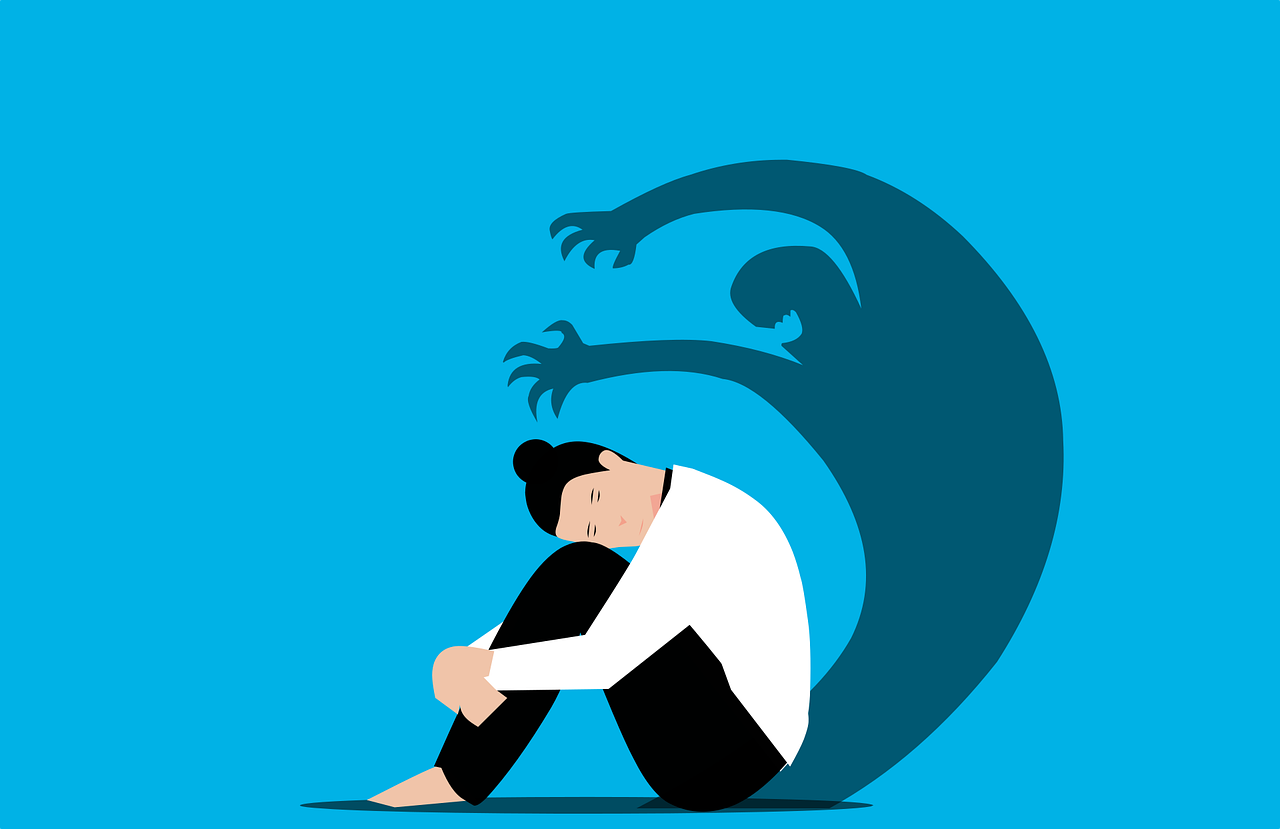
Feeling anxious about the future? Yeah, that’s totally normal—you’re not alone.
It’s easy to spiral when you start overthinking all the “what ifs.” Our brains love focusing on the worst-case scenario, making the future feel way scarier than it actually is.
You can reduce the intensity of your anxiety and approach the future with a sense of calm and resilience, knowing you have the strength to navigate whatever comes your way.
You’ve got more strength than you realize, and with the right mindset, you can handle whatever comes your way. Here’s how to chill the anxiety and face the future with confidence.
1. Break Down Future
Thinking about the whole future at once? Yeah, that’s a recipe for stress. It’s like trying to eat a giant pizza in one bite—you’ll choke on it.
Instead, zoom in on what you can do today or in the near future. Small moves add up, and before you know it, you’re making real progress without feeling lost in the chaos of the unknown.
Focus on what’s in your control now, and let the rest unfold.

How To Do It:
- List Your Worries
Dump all your future-related anxieties onto paper (or your notes app). Seeing them written down makes them less overwhelming. - Break It Down
Take each worry and turn it into smaller, doable steps. Example: if you are worried about your study and career, you might want to link with a professional or take a relevant course. - Focus on Today
Instead of stressing over the entire future, ask: What’s one thing I can do today? Small wins add up and keep you moving forward. - Feel More in Control
Every tiny step brings you closer to your goals while keeping anxiety in check. You don’t have to figure it all out at once—just keep going.
2. Accept Uncertainty
The future is always gonna have unknowns—no matter how much you plan. And that’s okay. The sooner you accept that, the less stress you’ll carry.
Instead of wasting energy worrying about what might happen, focus on making today count. When challenges come up, you’ll handle them—just like you always have. Stay flexible, stay present, and trust yourself.

How To Do It:
Focus on building trust in your ability to adapt and make own decisions. Reflect on the challenge you have successfully navigated in the past days and continuously remind yourself of your ability to tackle life’s difficulties.
- Trust Yourself
You’ve handled tough stuff before—you’ll handle it again. Think back to challenges you’ve overcome and remind yourself of your strength. - Loosen the Grip
Trying to control everything only adds stress. Instead, focus on what you can control—your mindset, your actions, and how you respond to life’s twists. - Stay Flexible
Life’s unpredictable, but that’s not always a bad thing. When you stop fighting uncertainty, you free yourself to grow, adapt, and move forward without the constant pressure of “figuring it all out.”
3. Reframe Negative Thoughts
Anxiety loves to trick you into thinking the worst will happen—even when it’s super unlikely. That’s just how our brains work.
But here’s the hack: flip the script. Instead of letting worst-case scenarios take over, challenge them. Ask yourself:
- Is this really true, or am I just assuming the worst?
- What’s a more realistic way to look at this?

How To Do It:
- Question the Fear
When anxiety kicks in, ask yourself:- What’s the worst that could happen?
- How likely is that, really?
- Most of the time, your mind is exaggerating the danger.
- Reality Check
Remind yourself that even if things don’t go perfectly, you can handle it. Think of times you’ve faced challenges before—you made it through. - Flip the Script
Swap negative thoughts with empowering ones:
“I am capable.”
“I’ve handled tough situations before, and I’ll do it again.”
“Even if things don’t go as planned, I’ll adapt.”
Reframing your thoughts shifts your energy from fear to confidence.
4. Visualize Positive Outcome
If you’re only picturing the worst-case scenario, no wonder anxiety feels overwhelming. Your brain is stuck on “what could go wrong” instead of “what could go right.”
Try flipping the script—imagine things working out. Picture yourself succeeding, feeling confident, and handling challenges like a pro.

How To Do It:
- Take a Few Minutes Daily
Close your eyes and picture yourself Make it detailed—what are you doing? How do you feel? Who’s around you? - Imagine Success
Nervous about a meeting? Visualize yourself walking in with confidence, speaking clearly, and getting positive feedback. This rewires your brain to expect success instead of failure. - Let It Motivate You
Seeing things go right in your mind makes it easier to take action in real life. You’re training your brain to focus on possibilities, not just fears.
5. Reduce “What-If” Thinking
Constantly asking, “What if..?” fuels your anxiety which leads to endless speculation about potential negative outcomes. You get stuck in a cycle of worrying about things that may never happen.

How To Do It:
- Pause & Breathe
The moment you notice yourself spiraling, stop. Take a few deep breaths to reset your mind and bring yourself back to the - Focus on Reality
Ask yourself: What is actually happening right now? Most of the time, the problem exists only in your head—not in reality. - Take Action Instead
Worried about a job interview? Instead of stressing over “What if I mess up?” shift to What can I do right now? Practice answers, research the company, or prep your outfit. - Stay Present
When you focus on what’s in your control today, anxiety loses its grip. The future isn’t here yet—but you are here now, and that’s where your power is.
6. Practice Gratitude
Gratitude is a game-changer. Taking a moment each day to appreciate the good shifts your focus from stress to what’s actually going right.
When you actively recognize what you’re thankful for, anxiety takes a backseat. It rewires your brain to see the positives, making you feel lighter, happier, and more in control.

How To Do It:
- Make It a Daily Habit
Take a few minutes each day to recognize what’s good in your life. Even the smallest things count—like a good cup of coffee or a text from a friend. - Write It Down
Jot down 3 things you’re grateful for. A supportive friend? A peaceful morning? That fire playlist? Whatever makes you smile. - Shift Your Focus
The more you focus on what’s good, the less space anxiety has. Gratitude rewires your brain to appreciate now instead of stressing about what’s next. - Let It Grow
Over time, gratitude becomes second nature. You’ll start seeing the little joys everywhere—making life feel lighter, happier, and more in your control.
7. Limit Exposure To Stressful Information
Limiting exposure to stressful information means consciously reducing the time you spend engaging with news, social media, or other sources of information that cause anxiety or overwhelm.
By consciously reducing the time you spend engaging with sources that cause anxiety, you take back control of your emotional well-being.

How To Do It:
- Notice the Impact
Pay attention to how you feel after scrolling through news or social media. If it leaves you stressed or drained, it’s a sign to cut back. - Set Boundaries
Limit your time on stressful content—maybe check the news once a day instead of constantly refreshing. Use app limits or take breaks when needed. - Curate Your Feed
Unfollow or mute accounts that fuel anxiety. Instead, follow pages that inspire, educate, or make you feel good. - Be Intentional
Ask yourself: Is this helping me or just making me anxious? Choose content that adds value to your life, not stress.
8. Set Realistic Goal
Realistic goals are ones you can realistically achieve, considering your current resources, skills, and circumstances.
They should be specific, focused, and broken down into smaller tasks, making it easier to track progress and stay motivated.
How To Do It:
It’s easy to get overwhelmed when you think about everything at once, especially when it comes to big goals like your career.
- Break It Down
Big goals can feel overwhelming—so shrink them. Instead of stressing about where you’ll be in 5 years, focus on what you can do this week. - Set Actionable Steps
Want career growth? Instead of panicking about the whole journey, set a goal like:
🔹 Learning a new skill
🔹 Connecting with 3 professionals this month
🔹 Applying to 2 jobs per week - Stay Present & Consistent
Success isn’t built overnight. Focusing on small, achievable wins keeps you moving forward without the stress overload.
Facts On Anxiety
- Widespread Issue: Anxiety affects 1 in 5 adults in the U.S. annually.
- Gender Disparity: Women are nearly twice as likely as men to experience anxiety.
- Early Onset: Many anxiety disorders begin during childhood or adolescence.
- Somatic Complaints: Physical symptoms include chest tightness, headaches, and fatigue.
- Fight or Flight: Anxiety triggers the body’s stress response, even in non-threatening situations.
- Digestive Problems: Chronic anxiety is linked to irritable bowel syndrome (IBS).
- Excessive Worry: Anxious individuals often overthink and catastrophize situations.
- Hypervigilance: They tend to be on high alert, scanning for potential threats.
- Memory Challenges: Anxiety can impair short-term memory and concentration.
- Avoidance: Anxious people may avoid situations or places that trigger discomfort.
- Compulsions: In some cases, they engage in repetitive behaviors to manage anxiety (e.g., OCD).
- Social Withdrawal: Social anxiety often leads to isolation or fear of judgment.
- Genetic Link: Anxiety often runs in families due to genetic predisposition.
- Trauma Impact: Past trauma or abuse is a common trigger for anxiety disorders.
- Environmental Factors: Stressful environments, financial difficulties, or work pressure exacerbate anxiety.
- Healthy Outlets: Exercise, mindfulness, and therapy can significantly reduce symptoms.
- Unhealthy Patterns: Some may turn to alcohol or drugs to self-medicate, worsening the condition.
- Treatable Condition: Anxiety disorders respond well to treatments like CBT (Cognitive Behavioral Therapy) and medication.
- Medication Use: Anti-anxiety medications like SSRIs are commonly prescribed but not always necessary.
- Importance of Support: A strong support system can help alleviate anxiety and build resilience.
Anxiety is highly manageable with the right resources and support, but understanding these facts helps highlight its complexity.
Why Do I Feel Anxious About The Future?
You may feel anxious about the future due to uncertainty, fear of failure, past negative experiences, or a lack of control. Overthinking worst-case scenarios and high expectations can also contribute to future-related anxiety.
How To Accept Anxiety?
To accept anxiety, acknowledge your feelings without judgment, understand that anxiety is a normal response, and focus on the present moment through mindfulness. Practice deep breathing, challenge negative thoughts, and gradually face fears instead of avoiding them.
Can Anxiety Be Cured?
Anxiety cannot always be “cured,” but it can be effectively managed with therapy, lifestyle changes, mindfulness, and, in some cases, medication. Many people learn to reduce its impact and live a balanced, fulfilling life.
Key Takeaway
When it comes to dealing with anxiety about the future, the key is to accept that uncertainty is a part of life and shift your focus to the present. Be kind to yourselfit’s okay to feel anxious sometimes, and acknowledging that helps take the pressure off.