
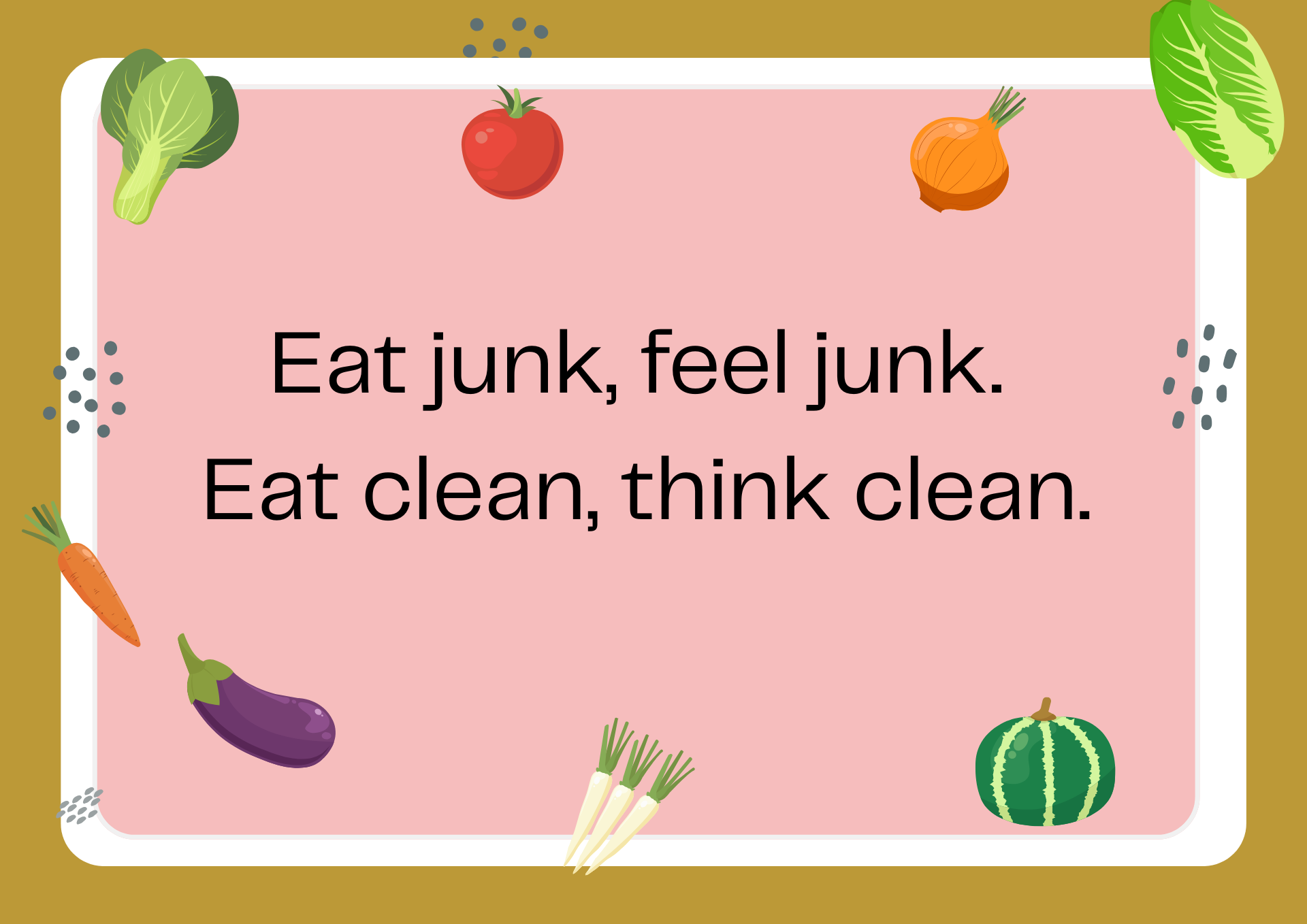
Have you ever questioned, “Is there a link between eating and mental health?” If you have, then your doubt is absolutely correct. There is a strong link between your eating habits and your mental health.
It’s not just about eating clean or avoiding fast food—it’s about understanding how food balances your mood, fuels your brain, and helps you feel more like yourself.
What you eat affects how you feel. The link between what you are eating and your mental health is deeper than most people think.
You Are What You Eat
You have to eat well for your brain to function correctly. Food and your brain are connected. Your brain is like your phone, it has to be charged with nutritious food so that you can be productive all day.
Your brain is best fueled by nutrient-dense foods like vegetables, fruits, whole grains, healthy proteins, and fats. These foods enable your brain to perform its function—keeping you stable, focused, and emotionally balanced.
On the flip side, if you are highly consuming processed foods or soft drinks, your brain will likely feel fatigued and stressed. It’s like putting low-quality fuel in the race car—it won’t work to its best level.
Here are some of the best food for your brain and gut:
- Fatty fish such as salmon (for omega-3s)
- Leafy green (for magnesium and B vitamins)
- Nuts and Seeds (for healthy fats and Zinc)
- Whole grains (for extra energy)
When your brain and gut get proper nutrients, you feel better. When not, your mood takes a hit.
The Gut-Brain Connection
Your brain and your guts are best friends. They are continuously talking to one another, exchanging messages all day long.
Ever felt butterflies in your tummy before the test or lost your appetite when you’re upset? That’s the gut-brain connection in action.
You have many bacteria in your gut. These bacteria are responsible for breaking down food and producing brain chemicals like serotonin, which plays a role in uplifting your mood. So, if your gut is healthy, your brain tends to be healthier.
Your gut is not only for digestion but also a center for regulating your mood as well.
Emotional Eating and Mental Health
Be honest—how many times have you grabbed a snack not because you are hungry but because you are stressed, sad, bored, or frustrated?
This is emotional eating. Sweet and salty treats can be comforting food. They give your brain a dose of good-feeling chemicals and make you feel good for a while.
But here is a twist: emotional eating doesn’t really fix your problems in the first place. And sometimes, it leaves you in an even worse condition, guilty or unsatisfied with yourself later.
Stress affects people differently in different ways. Some people gain weight under stress, and others just tend to lose their appetite. Understanding your pattern is the first step to developing a healthy eating habit.
If you think you eat when you are emotional, ask yourself:
- Am I actually hungry, or am I just upset about something?
- Shall I take a walk, start journaling, or call a friend instead?
For sure, food is comforting, but it is not the only source of comfort. There are healthy distractions like listening to music, spending time in nature, connecting with people to build a social life, or just watching a movie.
Diet and Mental Health Disorders
Let’s explore how food is linked with some specific mental health conditions.
1. Depression
Some evidences prove that a poor diet can result in depression. Consuming a diet high in sugar and processed foods can lead to inflammation within your body, and that means in the brain as well.
On the other hand, consuming a healthy diet, such as the Mediterranean diet, is associated with reducing the risk of depression.
2. Anxiety
Food such as magnesium-rich green, omega-3 fatty acids and fermented foods are great at calming the nervous system and managing anxiety. And if you really want to make a big difference, try reducing caffeine and sugar intake.
3. Mood Swings
Some research suggests that artificial food colors, preservatives, and too much sugar can worsen mood swings for people with ADHD. For mood swings, keeping blood sugar stable helps in stabilizing your mood.
It’s not about finding some perfect diet—it’s about eating right so that you are giving your brain and your emotions what they need.
Planning A Mentally Healthy Diet
So, how exactly do you eat to improve your mental health? Here are some simple tips that help you with mental health.
1. Consume Rainbow Foods
The healthier food you add to your plate, the more nutrients your body gets. Try to add a variety of fruits and vegetables to your diet plan.
2. Add Healthy Fats
Healthy fat foods such as nuts, seeds, avocados and fish are good for the body as well as for your brain.
3. Maintain Stable Blood Sugar
Cut sugar consumption. While preparing your meal, try to balance with protein, fiber and healthy fats.
4. Drink Sufficient Water
When your body is not hydrated, you won’t be able to enjoy your day, and your ability to concentrate decreases. Always carry a water bottle with you.
5. Cut Down Processed Food
You don’t have to have a perfect meal, however, less fast food, more whole food is a good way to start.
6. Have Probiotics
Yogurt, kefir, kombucha, and kimchi are good for your gut and help in maintaining your mood.
Mindful Eating For Mental Health
Mindful eating is being present when you eat—tasting your food, slowing down, and paying attention to what you eat.
Try this:
- Eat without being distracted. Put your phone down while eating.
- Take your time. Chew slowly and enjoy every bite.
- Pause halfway and ask, “Am I still hungry?”
Eating mindfully helps you enjoy your food and prevents you from overeating. Also, being mindful while eating gives you a break from your busy schedule.
Final Thoughts
What you eat has a bigger role in your mental health. It’s not about a perfect diet plan, but about feeding your brain and supporting your emotional well-being. So next time, when you sit down to eat, do this: don’t just think you are feeding your body. You are also feeding your brain.