
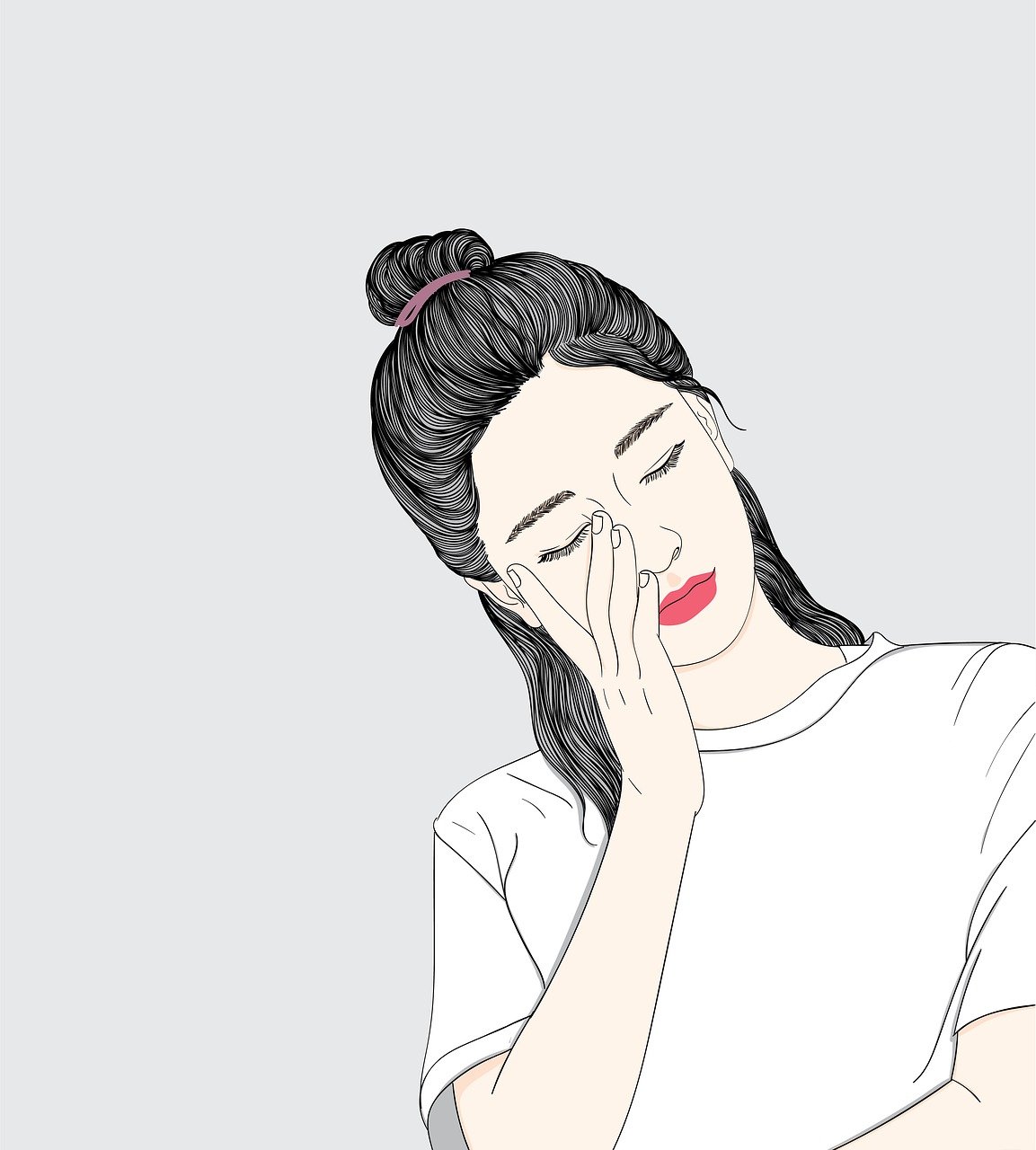
We all know how stressful life can get, right? But sometimes we might not figure out how to release stress.
Between work, personal commitments, and everything else, it’s easy to feel overwhelmed. But here’s the good news—there are plenty of simple ways to release stress and get back to feeling like yourself.
The key is finding what works best for you, so you can stay calm, stay balanced, and keep moving forward without all that pressure weighing you down.
1. Eat Timely
Have a meal at least twice a day, if manageable, thrice a day. Eating timely is so important to stabilise energy in your body to keep you stress-free.
Your body will tell you when it needs food. Never ignore that hunger signal, as skipping meals throws off your energy balance.
Try to eat on time. Planning can really help. Your body and your mood will thank you for it!
2. Eat Healthy
What you eat matters the most.
Your body needs actual food with all the nutrients, not just any food that gives you a sense of fullness. Healthy food releases stress to some extent.
A steady supply of essential nutrients to your brain helps you feel more energized, calm, and focused, reducing anxiety and stress. Your body needs vitamins, minerals, proteins, fats, and carbohydrates to function properly.
Eat foods like leafy greens, nuts, seeds, and eggs for essential nutrients that help your body cope better with stress. Taking good self-care can heal, and things can get better.

3. Take A Walk Into Nature
The best way to escape from your schedule is to spend a couple of hours in nature. It’s like hitting the restart button.
If you haven’t done it yet, you have not lived your life to the fullest. There is something so calming about just being in nature.
Nature cures you in the best way. Try lying on the ground, no mat, directly on the earth. It’s like reconnecting with the earth in the most simple way.
Nature allows the brain to recover from mental fog, enhancing cognitive clarity and helping you feel less overwhelmed.
4. Spend Time With Animal
Spending time with animals is one of the best ways to unwind and reduce stress. Whether you’ve got a pet at home or decide to visit an animal shelter, interacting with animals can do wonders for your mood.
Playing with animals releases oxytocin, a hormone that promotes feelings of calm and happiness. If you don’t have a pet, volunteering at a shelter is a great way to connect with animals and experience the same benefits.
Animals have a unique way of making us feel grounded, and their unconditional love is a simple but powerful remedy for stress.

5. Get A Gym Membership
Your fitness routine has a major role in how you feel overall.
When you are not active, you just feel off. Like everything seems hard. It directly affects your mood and energy.
It’s all connected. When you are physically down, you can’t even think straight sometimes. When your muscle movement is zero, it just creates this laziness in your body. You start feeling sluggish all the time.
Working out boosts your energy, lifts your mood, and helps you feel more focused. Plus, having a routine can keep you on track and help you release stress.
6. Practice Progressive Muscle Relaxation
Progressive muscle relaxation (PMR) is a simple and effective way to let go of stress, improve physical relaxation, and promote mental calmness.
To practice PMR, find a quiet, comfortable space where you can sit or lie down without distractions. Start with your toes—curl them tightly, hold for a few seconds, and then slowly let go, paying attention to how relaxed they feel afterward.
Then move up your body, focusing on each muscle group—feet, calves, thighs, abdomen, chest, arms, hands, neck, and face.
Give it a try—it’s like hitting the reset button for your body and mind!
7. Practice Aromatherapy
Aromatherapy is a simple and effective way to relax and boost your mood.
Using essential oils like lavender, eucalyptus, or chamomile can have a calming effect on both your mind and body.
You can diffuse them in your home for a soothing atmosphere or even apply them to your skin (just make sure to dilute them with a carrier oil). The scents can help reduce stress, improve your mood, and create a peaceful environment.

A few drops of essential oil can make a big difference.
8. Walking Outdoor
Don’t lock yourself in your house or in your room. Give your body a space to move.
Take yourself out. Don’t just walk for the sake of walking. Feel the energy around you. Allow yourself to blend with the environment.
Walking outside, especially in green spaces or near water, helps you reconnect with nature and promotes a sense of peace. Take a moment to feel your surroundings.
Once you start doing it, you will notice a big difference. Just a short walk outdoors can lift your mood and clear your mind.
You can just walk in the neighbourhood without thinking much of it. Don’t make it feel like a chore. Make it an adventure.
Try a new trail, explore different parks, or just walk along the waterfront. It’s all about changing your perspective. Think of it as a way to engage with your surroundings.
9. Connect With People
Connecting with people doesn’t always mean you have to engage in deep conversations. It can be as simple as exchanging smiles.
Think of it. You are doing your groceries, and you see your neighbor. Just saying “hi” or sharing a smile can make a difference in your day. Little interaction can really brighten your day.
You walk in the park, and you happen to meet someone nice. Lighthearted conversation can lift your spirit, which can release stress.
Just say you joined a gym and ended up meeting a workout partner. And you become good buddies. A good interaction can heal.
It’s just that putting yourself out there—even in small ways—can have a big impact. Small interactions with people might just make their day and yours.
10. Engage In Hobbies
Taking time for hobbies you enjoy is a great way to relax and recharge.
Whether it’s painting, cooking, reading, or playing an instrument, doing something that brings you joy helps take your mind off stress and gives you a sense of accomplishment.
When you immerse yourself in something that brings you joy, it can boost your mood and bring a sense of accomplishment.
So, the next time you’re feeling overwhelmed, remember to make space for your favorite activities—they’re great for your mental well-being.

11. Shower
When you are stressed and the climate is not favoring you for any outdoor activity, one of the best things you can do is to take a shower. Take a warm shower or a cold shower, whatever you prefer.
The sensation of water flowing over your body can be incredibly soothing and promote relaxation, helping to calm the mind. Taking a shower provides a chance to practice mindfulness.
Focus on the sensation of water, your breathing, and the scents of soap or shampoo, allowing your mind to step away from stressors.
A shower can serve as a brief escape from daily responsibilities and pressures, giving you a moment to reset and recharge.
Also, walking after a nice shower can improve your mood.
Facts On People Who Stress
Key Takeaway
When you stay active—whether it’s through exercise, hobbies, or even simple tasks—you redirect your energy toward something productive. This helps to keep your mind focused and prevents it from dwelling on stressful thoughts.
Keep your body engaged so that your mind is not stressed. Always plan your day to keep yourself on track. Do what you like doing. Keep your body busy and your mind healthy to release stress.