
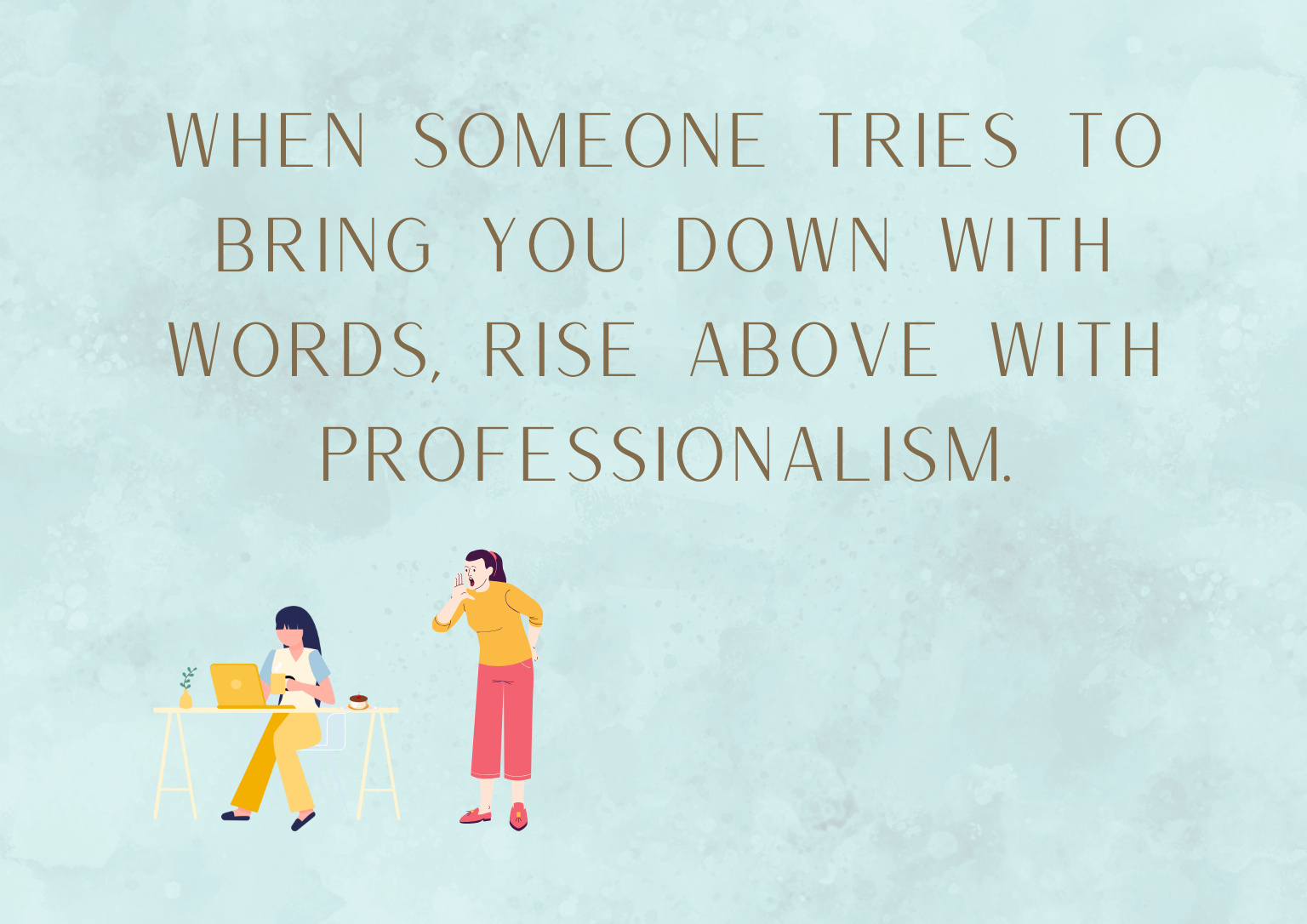
Work is challenging enough without someone throwing mean allegations your way. But let’s face it: it happens. Maybe a co-worker publicly criticizes you, maybe a rumor spreads, or maybe your manager questions your performance unfairly. Suddenly, you’re caught in a situation that can feel humiliating and stressful.
The truth is, how you resond to mean allegations these moments can either hurt or build your reputation at work. You can’t always control what others say—but you can control your response. Here are 10 mean allegations at work and ways to respond that keep your professionalism intact and your peace of mind intact.
1. Take A Breath Before Reacting To Personal Attacks
- Scenario: You’re in the middle of presenting a project idea when someone cuts in:
“You’re always messing things up. I don’t know why they keep you here.”
You feel your face heat up. Your first instinct? Snap back. But that would only make things worse.
- The Right Move: Pause. Take a slow breath. Then calmly say:
“I’d like to understand what specific part of my work you’re referring to so I can address it properly.”
Why it works: You’ve turned the focus from an insult to specifics. Suddenly, the accuser has to explain themselves, and you stay calm in front of everyone—earning respect instead of feeding drama.
2. Listen Carefully To Understand The Claim
- Scenario: During a project debrief, a teammate suddenly says:
“You didn’t contribute anything. You just show up at the end to take credit.”
Ouch. That stings. You feel the urge to immediately defend yourself, but there’s a smarter approach.
- The Right Move: Respond with curiosity rather than anger:
“I hear your concern. Could you share specific examples? I’d like to clear up any misunderstanding.”
Why it works: Asking them to explain makes them slow down—and often, they don’t have any real proof. Plus, it shows others that you’re mature and willing to address concerns professionally.
3. Use Facts To Counter False Claims, Not Emotions
- Scenario: In a team meeting, a colleague says to your manager:
“You never meet deadlines. Everyone has to cover for you.”
You feel unfairly judged, but instead of reacting emotionally, lean on facts.
- The Right Move: Calmly state the evidence:
“Actually, I’ve submitted the last three reports on time. If there’s a specific case you’re referring to, I’d be happy to go over it.”
Why it works: Facts are stronger than feelings. You’re not arguing—you’re simply presenting proof, which makes you look organized and credible.
4. Keep Records To Protect Yourself
- Scenario: Your colleague emails the team:
“You dropped the ball on this task, and now we’re behind schedule.”
You know that’s not true—you weren’t even responsible for it.
- The Right Move: Politely respond with proof:
“According to our assignment notes, I was responsible for Task A while you handled Task B. I can share the email confirmation if that helps clear things up.”
Why it works: Documentation takes the guesswork out of disputes. You don’t argue—you simply present facts that protect your reputation.
5. Clarify Misunderstandings Before Defending Yourself
- Scenario: During a team huddle, someone says:
“You don’t care about teamwork—you just do whatever you want.”
It feels like a personal attack, but it might just be a misunderstanding.
- The Right Move: Address it openly and professionally:
“I value teamwork, so if something I did came across differently, I’d like to go over it so we can work better together.”
Why it works: You’re not admitting fault—you’re opening the door to constructive dialogue, turning tension into collaboration.
6. Maintain Professionalism, Even When Provoked
- Scenario: At lunch, you overhear a colleague say:
“You’re impossible to work with. Nobody likes working with you.”
You want to snap back, but doing so will only escalate the drama.
- The Right Move: Keep your composure:
“I’d prefer to keep our communication professional and focus on the work. If you have feedback about a task, I’m open to hearing it.”
Why it works: By refusing to engage in personal attacks, you set clear boundaries and show that professionalism matters more than petty comments.
7. Escalate When the Allegation Could Harm Your Reputation
- Scenario: A colleague emails your manager claiming:
“They lied about finishing that report just to look good.”
This could seriously damage your credibility if ignored.
- The Right Move: Respond with facts and involve the right people:
“That’s a serious claim. I have documentation of the completed report, but I think it’s best we review this with our manager to make sure everything is clear and transparent.”
Why it works: Escalating shows that you respond to mean allegations seriously and want fairness at work. You protect yourself without getting dragged into a private battle.
8. Prioritize Your Mental Health While Handling Negativity
- Scenario: After weeks of tension, someone says flat out:
“You’re not even good enough for this role.”
It stings, but how you respond matters more than the words themselves.
- The Right Move: Stand your ground calmly:
“I don’t agree with that statement. I’ll continue focusing on delivering quality results. If you have constructive feedback about my work, I’m open to hearing it.”
Why it works: You’re rejecting negativity without hostility and focusing on what you can control—your work. Outside of the office, take time to de-stress, lean on supportive colleagues or friends, and remind yourself this one opinion doesn’t define your worth.
9. Respond Privately When Possible To Avoid Public Drama
- Scenario: During a team meeting, someone says:
“You completely botched that client presentation!”
Everyone turns to look at you. Your first instinct might be to defend yourself in front of everyone—but sometimes that fuels tension.
- The Right Move: Take the conversation offline:
“I’d like to discuss your concerns privately so we can sort this out without disrupting the meeting.”
Why it works: By moving the conversation to a private setting, you avoid public conflict, prevent misunderstandings from escalating, and show emotional intelligence. People respect someone who handles tough conversations discreetly.
10. Use Humor Carefully To Diffuse Tension
- Scenario: A co-worker sarcastically says:
“Wow, you’re really on top of things… not!”
It’s tempting to get defensive or make a snarky comeback. But a light, clever response can shift the energy without being rude.
- The Right Move: Respond with a calm, lightly humorous comment:
“I’ll take that as motivation to double-check everything next time!”
Why it works: Humor, when used carefully, can diffuse tension and show confidence. It signals that you’re unshaken by negativity and can handle criticism without escalating conflict. Just be sure it’s professional and not sarcastic in return.
Final Takeaway
Mean allegations at work can feel humiliating in the moment, but your respond is what defines you. Staying calm, relying on facts, setting boundaries, and escalating when necessary all demonstrate professionalism and resilience.
Remember: mean allegations—true or false—does not define you, neither in personal life nor at work, but how you respond does. Take a breath, keep your composure, and respond with confidence. That way, you protect both your reputation and your peace of mind.