
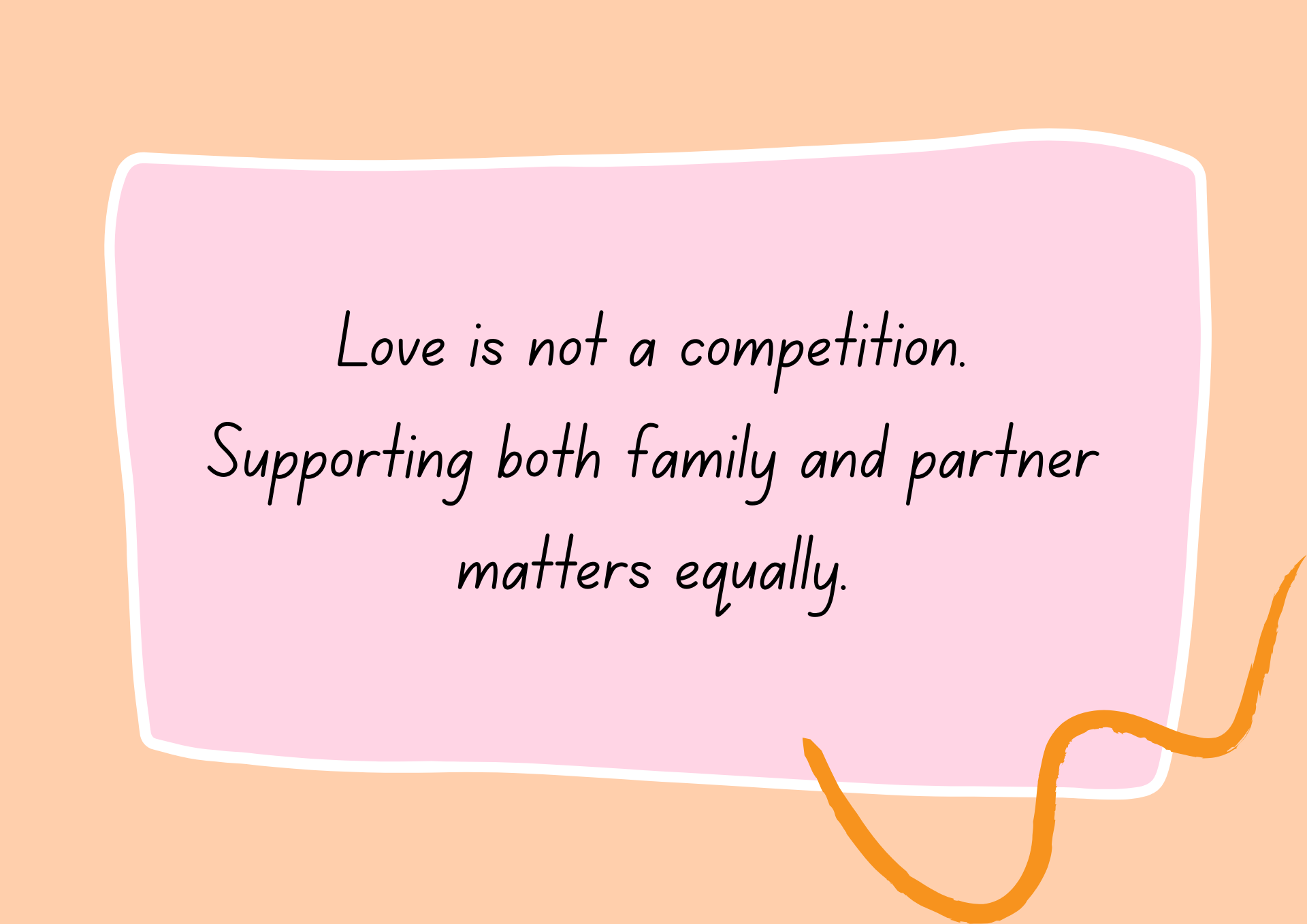
The truth is, romantic relationships and family relationships don’t naturally clash. Problems usually arise because of unclear communication, unspoken expectations, or emotional pressure. Finding ways to balance family and romantic relationship helps strengthen both bonds.
Loving your family and loving your partner should never feel like a competition. Yet for many people, it does. One small misunderstanding, one boundary crossed, or one emotional comment can place you in the middle—feeling guilty, confused, and emotionally drained.
With awareness and intentional effort, you can protect both relationships without sacrificing your peace.
1. Understand Why Conflict Happens
Family relationships are built on history, shared experiences, and emotional attachment. Romantic relationships, on the other hand, are built on choice, intimacy, and partnership. When these two worlds meet, expectations can collide.
For example, your parents may want to know every detail about your life, while your partner may value privacy. Or perhaps your partner wants more time together than your family is used to giving. This doesn’t mean anyone is wrong—it’s just different priorities and emotional needs clashing.
Some common reasons for conflict include:
- Family feeling “replaced” or left out
- Partners feeling judged or not accepted
- Cultural or generational differences
- Lack of boundaries
- Oversharing private relationship issues
- Fear of losing approval or love
Recognizing these roots helps you respond with empathy instead of defensiveness. Understanding the “why” behind conflict gives you perspective and reduces emotional reactivity.
2. Accept That Both Relationships Are Important—But Different
A common mistake is expecting family and romantic relationships to behave in the same way. They are not meant to function identically.
Family often represents:
- Stability
- Long-term emotional security
- Guidance and tradition
Romantic relationships represent:
- Emotional intimacy
- Mutual growth
- Shared decision-making
- Companionship
For example, your family might want to guide your life choices, while your partner is there to walk beside you as an equal decision-maker. Recognizing these differences allows you to treat each relationship according to its unique role, rather than forcing one to fulfill the role of the other.
Once you stop expecting your partner to meet all family needs—or your family to fully understand your romantic bond—you reduce unnecessary tension.
3. Set Healthy Boundaries (Without Feeling Guilty)
Boundaries don’t mean disrespect—they mean clarity. They protect both your relationships and your own emotional wellbeing.
With family:
- Decide what decisions are yours and what input is welcome. Not every choice requires family approval.
- Avoid oversharing private relationship details that may spark judgment or advice you don’t need.
With your partner:
- Be clear about family responsibilities and expectations.
- Make time for family events but also protect couple time.
For instance, if your partner feels overwhelmed by a constant stream of family messages or visits, set clear expectations: “We’ll spend Sunday with my family, but the evening is ours.” Boundaries like these prevent resentment from building quietly over time.
4. Don’t Make Either Side The “Villain”
Talking negatively about your partner to family—or about family to your partner—creates long-term damage. Over time:
- Family forms a negative image of your partner
- Your partner feels unsafe or judged
- You feel stuck defending both sides
Instead of blaming, share feelings. For example:
- “I feel stressed when expectations clash”
- Not: “They always interfere”
This small shift in language prevents alienation and helps maintain trust on both sides. You’re not taking sides—you’re simply sharing your perspective respectfully.
5. Communicate Expectations Early
Many conflicts happen because expectations are assumed, not discussed. Early communication sets the stage for smoother interactions. Healthy communication is key to balance family and romantic relationship without conflict.
Talk openly about:
- Time priorities: How often will you spend with family vs. couple time?
- Cultural or family traditions: Which holidays or events are non-negotiable?
- Decision-making boundaries: Who gets input on major life choices?
- Future plans: Living arrangements, career choices, or financial decisions
For example, you might say: “I want us to visit my family every month, but our weekends together are important too.” Clarity now prevents resentment later.
6. Learn To Say “No” Kindly
Saying “no” is not selfish. It’s a way of honoring your own time and emotional space.
Examples:
- “I appreciate your concern, but we’ve decided this together.”
- “I need some time with my partner today—we’ll catch up later.”
Saying no respectfully prevents frustration and teaches both your family and partner that your needs matter. Over-explaining can create unnecessary negotiation; clear communication works better.
7. Don’t Use One Relationship To Escape The Other
Sometimes, when family pressure feels overwhelming, we lean too heavily on our partner. Other times, when relationships feel uncertain, we seek safety in family approval. Both patterns create imbalance.
Healthy love requires direct conversations:
- Family issues belong with family
- Relationship issues belong with your partner
Using one relationship to avoid the other may feel easier in the moment but creates long-term emotional strain and confusion.
8. Protect Your Partner’s Dignity In Family Spaces
Even small actions matter. How you represent your partner in front of family influences trust and emotional safety.
Tips:
- Defend your partner respectfully if boundaries are crossed
- Avoid jokes or comments that undermine them
- Show unity in decisions
For example, if a family member criticizes your partner, you could calmly respond: “I understand your concern, but we’ve discussed this together and made our decision.” Protecting dignity doesn’t mean arguments—it means respect and alignment.
9. Make Time For Both—Intentionally
Balance doesn’t happen automatically. You need to be intentional.
- Schedule family time without guilt. Be present when you’re there.
- Prioritize quality time with your partner. Put away distractions.
- Treat each relationship as important, but in its own space and time.
Presence matters more than perfect scheduling. Even a short but fully attentive conversation strengthens bonds.
10. Accept That You Can’t Please Everyone
Trying to keep everyone happy often leads to burnout and quiet resentment. Someone may feel uncomfortable with your choices, and that’s okay.
Healthy mindset:
- Discomfort is temporary
- Respect grows from consistency, not people-pleasing
- Choosing peace over approval is not selfish
Accepting this allows you to live with integrity without carrying unnecessary guilt.
11. Work On Emotional Self-Awareness
The key to managing both relationships is self-awareness.
Ask yourself:
- Am I reacting or responding?
- Is guilt or fear guiding my decision?
- Are my actions aligned with my values and priorities?
Self-awareness helps you act with intention instead of reacting impulsively, reducing emotional strain and preventing conflicts from escalating.
Final Thought
A strong romantic relationship doesn’t weaken family bonds—and healthy family ties don’t threaten love. The bridge between them is you. It’s important to balance family and romantic relationship to maintain harmony in your life.
When you act with honesty, boundaries, and emotional balance, both relationships can coexist—and even strengthen each other. Choosing balance isn’t easy, but it’s worth it. You don’t have to choose sides. You only need to choose clarity, honesty, and respect.
Love doesn’t have to divide you. It can strengthen you—if you let it.