
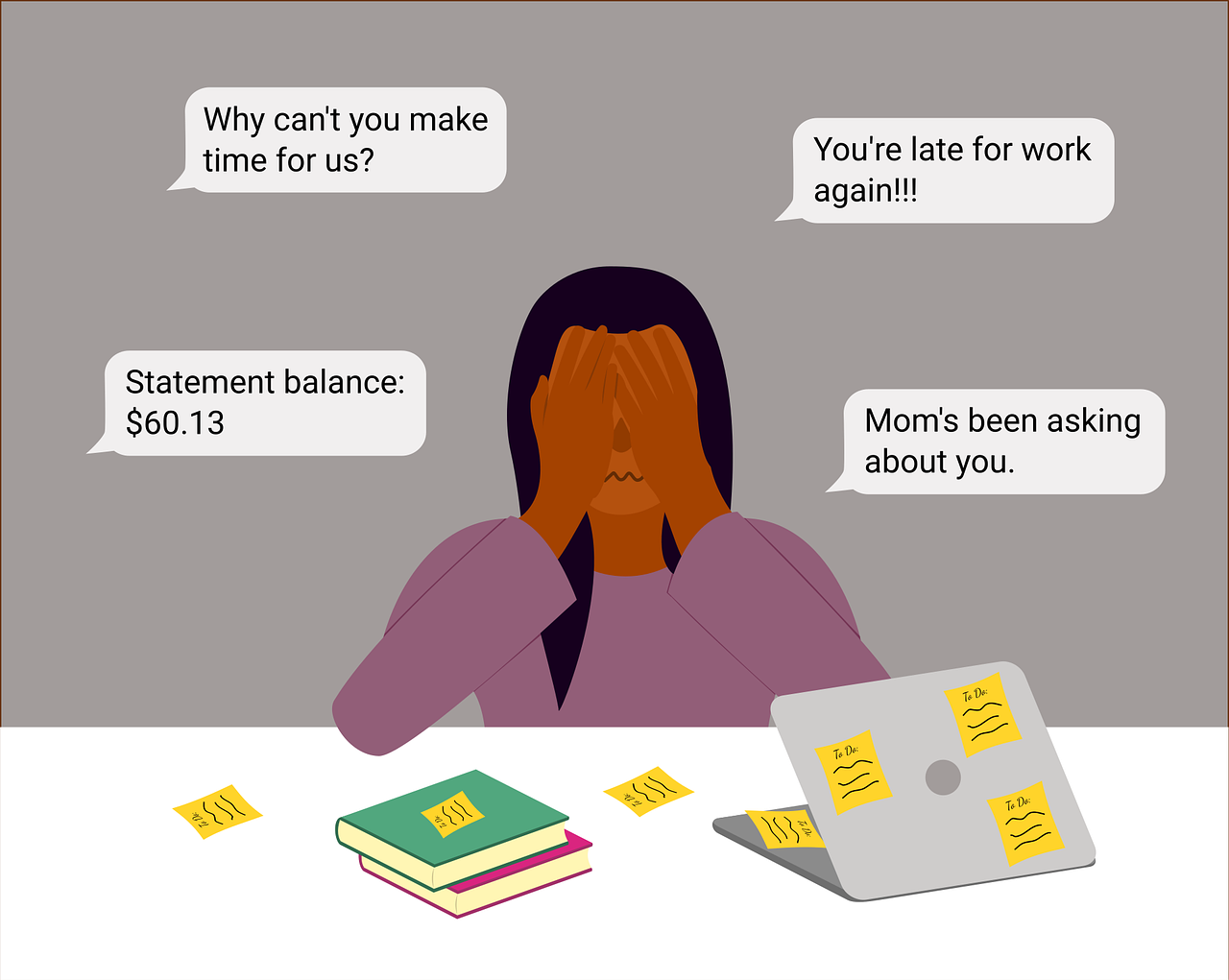
Anxiety is not the boss of you—breathe, reset, and take back control.
Anxiety is something we all deal with at some point. It’s not just about feeling nervous before a big test or overthinking a text—it’s that never-ending loop of worry that drains your energy and keeps you up at night. It can make even small decisions feel overwhelming and make you second-guess everything.
If you’ve ever wondered, “Why is it so hard to control my anxiety?” you’re not alone. Anxiety is complicated, and there’s no one-size-fits-all solution. But understanding what’s causing it is the first step to getting a grip on it. Let’s break it down:
1. Genetic Anxiety
If anxiety runs in your family, you might have inherited a brain that’s extra sensitive to stress. It’s not just “all in your head”—science backs it up.
Your genes play a role in how your brain processes emotions, making you more prone to overthinking and worrying about things you can’t control. But just because it’s in your genes doesn’t mean you’re stuck with it.

How To Deal With Genetic Anxiety?
While you don’t have control over your genes, you can influence anxiety through lifestyle choices, coping techniques, and professional support.
- Spot Your Triggers – Pay attention to what sets off your anxiety so you can prepare for it.
- Chill Techniques – Try deep breathing, meditation, or yoga to reset your nervous system.
- Level Up Your Lifestyle – Exercise, eat well, and get enough sleep—your brain will thank you.
- Talk to a Expert – Therapy isn’t just for when things get really A professional can help you develop strategies that actually work.
- Keep a Journal – Writing down your thoughts can help you notice patterns and triggers over time.
2. Environmental Stress
School, work, money, relationships—life throws a lot at you. When stress piles up, anxiety follows. If you feel like you’re constantly drowning in responsibilities, your environment might be the problem.
Over time, this ongoing stress can wear you down, leading to feelings of anxiety that seem to never go away.
How To Deal With Environmental Stressors?
Dealing with environmental stressors is about recognizing the factors around you that contribute to your anxiety and finding ways to reduce or manage their impact.
- Pinpoint the Stressors – Is it deadlines? A toxic friendship? Once you know, you can start making changes.
- Set Boundaries – Saying no isn’t selfish—it’s necessary.
- Communicate Clearly – Express your feelings instead of bottling them up.
- Create a Safe Space – Make your room or workspace a calming zone to recharge.
- Declutter Your Space – A messy environment can add to your mental clutter.
- Take Breaks – Give yourself permission to step away from stressful situations when needed.
3. Negative Life Events: When Life Hits Hard
Breakups, losing someone, failing a class—big life changes can trigger major anxiety. It’s normal to feel overwhelmed when everything feels uncertain. Even positive changes, like moving to a new city or starting a new job, can be stressful.
The sense of instability they create can leave a lasting impact, causing people to worry about what’s to come and how to navigate the future.

How To Deal With Negative Life Style?
Dealing with a negative lifestyle—whether it’s a pattern of unhealthy habits, toxic environments, or unfulfilling routines—requires a combination of self-awareness and positive changes.
- Acknowledge Your Feelings – Don’t suppress them—work through them.
- Take Small Steps – You don’t have to fix everything overnight. One step at a time.
- Change Up Your Routine – Sometimes, switching up your environment can help reset your mindset.
- Self-Care Isn’t Cringe – Do things that make you feel good—read, listen to music, take a long shower.
- Give Yourself Time to Heal – Grief and change take time, and that’s okay.
4. Cognitive Patterns: Your Brain Can Be a Drama Queen
If your mind always jumps to the worst-case scenario (“I failed this test, I’m doomed”), you might be stuck in negative thinking patterns like catastrophizing or black-and-white thinking.
When it comes to anxiety, negative thinking patterns can make everything feel much worse than it actually is.

How To Deal With Cognitive Patterns?
Dealing with negative cognitive patterns, such as catastrophizing or black-and-white thinking, involves consciously changing the way you think.
- Catch the Thought – Notice when your brain is going down the negativity spiral.
- Reframe It – Instead of “I suck at this,” try “I’m still learning, and that’s okay.”
- Challenge the Extremes – If you’re thinking “This is a disaster,” ask yourself, “Is it really that bad?”
- Be Kind to Yourself – Your thoughts don’t define you. Give yourself some grace.
- Practice Gratitude – Focusing on what’s going well can shift your mindset over time.
- Use Positive Affirmations – Remind yourself of your strengths daily.
5. Personality Traits: The Perfectionist Struggle
If you’re the type who stresses over every little detail or takes things too personally, your personality might be feeding your anxiety. Highly sensitive people and perfectionists tend to overthink everything.
You might also have a strong fear of failure, which can make even small mistakes feel like huge setbacks.
Similarly, perfectionists often set very high standards for themselves, and the pressure to meet those expectations can trigger anxiety.

How To Fix Personality Trait?
Managing personality traits that may contribute to anxiety, such as perfectionism or heightened sensitivity, involves recognizing and understanding these characteristics.
- Self-Awareness is Key – Notice when your personality traits are making things harder.
- Perfection is a Trap – Set realistic goals and embrace the fact that good enough is often good enough.
- Practice Emotional Regulation – Mindfulness and deep breathing can help you stay grounded.
- Reframe Negative Thoughts – Your worth isn’t based on achievements.
- Allow Yourself to Fail – Mistakes are part of growth. The sooner you accept that, the less anxiety they’ll cause.
- Stop Comparing Yourself to Others – Social media isn’t real life.
6. Lack Of Coping Strategies: No Tools = More Stress
If you don’t have solid ways to deal with stress, anxiety can feel impossible to handle. Coping skills aren’t just something you’re born with—they’re learned.
Coping mechanisms, like problem-solving skills or emotional regulation techniques, are essential tools that help us manage stress and navigate challenging situations.

How To Implement Coping Strategies?
Implementing coping strategies to manage anxiety and stress involves a combination of practical tools, self-awareness, and consistent practice.
- Know Your Triggers – Keep track of what makes your anxiety spike.
- Break Down Problems – Instead of freaking out, take things step by step.
- Move Your Body – Exercise helps release feel-good chemicals in your brain.
- Make It a Habit – Coping isn’t just for crisis mode—practice it daily.
Symptoms Of Anxiety
- Increased Heart Rate – A feeling of your heart racing or pounding.
- Sweating – Excessive sweating without physical exertion.
- Trembling or Shaking – Uncontrollable shaking in the hands, legs, or other parts of the body.
- Shortness of Breath – Difficulty breathing or feeling like you can’t catch your breath.
- Chest Pain or Tightness – A feeling of tightness or discomfort in the chest area.
- Dizziness or Light headedness – A sensation of being faint or off-balance.
- Muscle Tension – Tightness or pain in the muscles, especially in the shoulders, neck, or jaw.
- Fatigue – Feeling unusually tired or drained, even after minimal activity.
- Nausea or Stomach Issues – Stomach aches, nausea, or digestive discomfort.
- Cold or Clammy Hands – Hands that feel unusually cold or sweaty.
- Dry Mouth – A feeling of dryness or stickiness in the mouth, often accompanied by difficulty swallowing.
- Headaches – Tension headaches or general head pressure.
- Excessive Worrying – Constantly feeling anxious about different situations or events.
- Irritability – Feeling easily frustrated or upset, even by small things.
- Restlessness – An inability to relax or sit still.
- Trouble Concentrating – Difficulty focusing on tasks due to racing or distracting thoughts.
- Feeling of Impending Doom – A sense that something bad is about to happen, even if there is no clear reason.
- Stumbling Over Words– This can be either of nervousness or anxiety while talking on the phone or having face-to-face conversation.
- Difficulty Controlling Worry – Feeling overwhelmed by persistent and uncontrollable anxious thoughts.
- Avoidance Behavior – Steering clear of situations or places that trigger anxiety.
- Sleep Disturbances – Difficulty falling asleep, staying asleep, or waking up feeling unrefreshed.
These symptoms can vary in intensity, and they may be experienced individually or in combination. If anxiety is affecting daily functioning, seeking support from a healthcare professional is often a helpful step in managing these symptoms.
How To Control Anxiety Quickly?
To control anxiety quickly, try this quick reset: Breathe in for 4 seconds, hold for 4, exhale for 4. Ground yourself with the 5-4-3-2-1 trick—spot 5 things, touch 4, hear 3, smell 2, taste 1. Release tension by tensing then relaxing your muscles.
Hype yourself up with affirmations like “I’m safe” or “This will pass.” Distract your brain—take a walk, splash cold water on your face, or count backward. Cut back on caffeine (it’s the enemy sometimes). If it’s too much, talk to someone or journal it out. The more you practice, the better you’ll handle it. You got this!
What Is The 3 3 3 Rule For Anxiety?
The 3-3-3 rule is basically a hack for calming anxiety fast. First, spot three things around you—like your phone, a chair, or a random cloud. Then, listen for three sounds—maybe traffic, music, or your own breathing. Last, move three body parts—wiggle your fingers, roll your shoulders, or tap your foot.
It pulls you out of your head and into the now, stopping the overthinking spiral. Pair it with deep breaths for extra chill. It’s not a magic fix, but it helps when your brain’s doing the most. Try it next time anxiety hits!
You control anxiety, don’t let anxiety control you.
Key Takeaway
You might not be able to erase anxiety completely, but you can learn to manage it. It’s all about understanding where it comes from and finding what works for you. Don’t be afraid to reach out for help, whether it’s from friends, family, or a therapist.
Controlling anxiety is a journey that involves understanding its causes and symptoms, and developing effective strategies to manage it.
Remember, anxiety is a natural part of life, but with the right tools and consistent effort, it can be managed effectively. If needed, seeking professional help, such as therapy, can provide further guidance and support. You got this.